
Splash Zone Corrosion Protection for Steel Piles
The splash and tidal zone is the most aggressive part of a marine structure and the least accessible. The steel is alternately wetted and dried, oxygen is abundant, chloride concentration is high, and mechanical abrasion from waves, debris and vessel contact removes any brittle coating. Below the waterline the surface simply cannot be dried, so conventional coating systems cannot be applied at all.
One marine structure. Different protection requirements.
Atmospheric and shipboard steel
Salt spray above the waterline calls for a grade and outer layer matched to sunlight, steel temperature and access. Shipboard marine-grade tape is a separate selection from the seawater grade used for wet or immersed work.
Splash, tidal and submerged steel
Use the seawater-grade petrolatum system for the documented wet-steel application route. Confirm the full tidal range, terminations and the protective jacket needed for abrasion and impact.
H-piles and irregular sections
Record flange width, web depth, corners and recesses. Profile abrupt transitions so the wrap contacts the steel without bridging voids. The armour must fit the actual section; a round-pile estimate does not define an H-pile system.
For a matched proposal, send section drawings, photographs, water levels, steel condition, service temperature and impact conditions. Request a splash-zone protection system.

Marine Steel, Piles and Splash Zone
The splash and tidal zone is the most aggressive part of a marine structure and the least accessible. The steel is alternately wetted and dried, oxygen is abundant, chloride concentration is high, and mechanical abrasion from waves, debris and vessel contact removes any brittle coating. Below the waterline the surface simply cannot be dried, so conventional coating systems cannot be applied at all.
Corrosion risk
- Accelerated corrosion in the tidal and splash zone, typically several times the rate of fully immersed steel.
- Chloride-driven pitting and section loss on piles and bracing.
- Coating breakdown from wave action, floating debris and berthing impact.
- Impossible surface drying below the waterline.
Recommended configuration
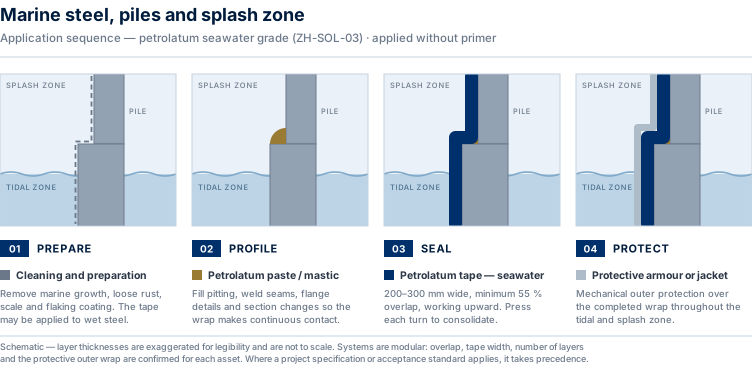
Seawater-grade petrolatum tape — a three-layer thickened, oil-based material designed to be applied to wet or submerged steel. Inert oily petrolatum, corrosion inhibitors, preservatives and antimicrobial agents form a continuous hydrophobic seal that displaces seawater from the surface. Protective armour or a jacket is specified over the wrap where impact is expected.
How do you protect steel in the splash zone?
Engineers searching for a splash-zone corrosion protection product for offshore, port or jetty structures are usually solving three linked problems: a wet surface, a changing waterline and mechanical damage to the outer layer.
Can the tape go on wet steel?
For the seawater-grade system, the application sequence allows wet or submerged steel and does not rely on a dry coating film. Clean the surface, fill the profile where required and confirm the selected grade against the project temperature and exposure.
What about jetty or H-pile impact?
Petrolatum tape provides the corrosion seal; an outer armour or jacket is selected when waves, floating debris, berthing activity or maintenance access can abrade the wrap. The outer layer is therefore part of the system, not an afterthought.
What information is needed for selection?
Send pile or pipe geometry, the tidal and splash-zone limits, water temperature, access constraints, expected mechanical exposure and the required inspection documents. We can then match the tape, profiling material and outer protection.
Send us the asset, we will propose the system
Asset type, dimensions, operating temperature, exposure and estimated quantity are enough for us to return a system configuration, a material estimate and the supporting documents.